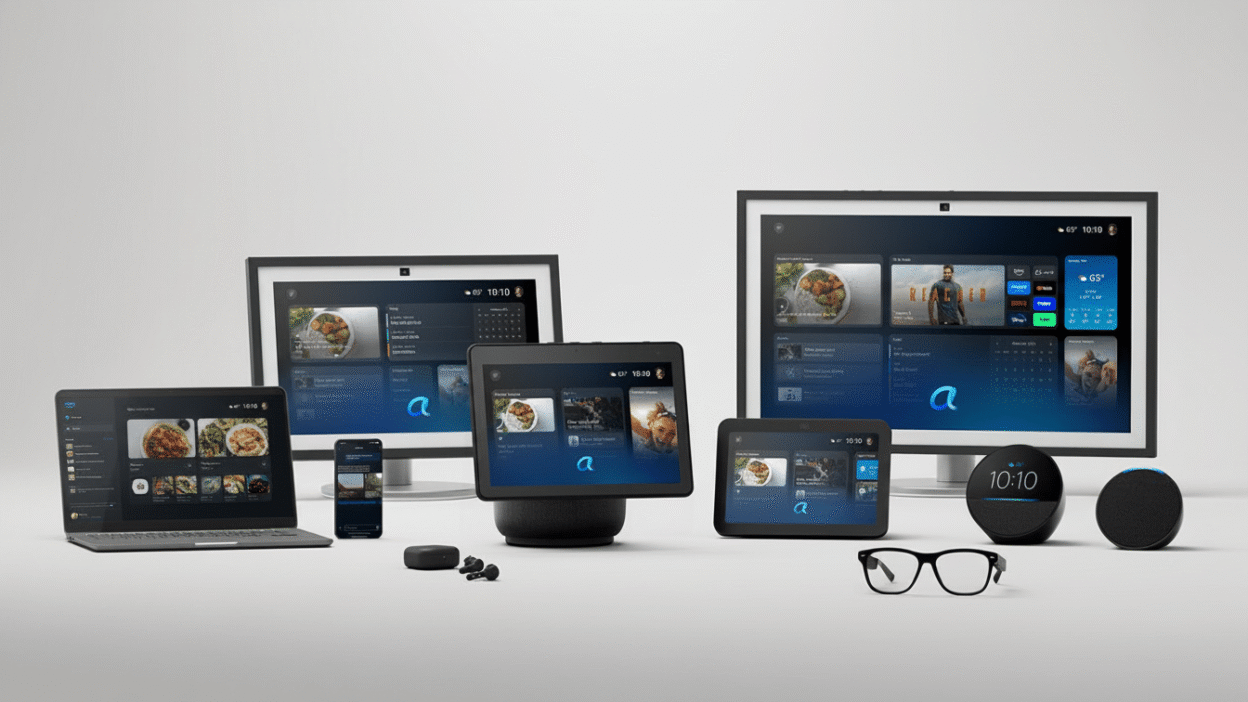
Alexa just picked up a sharper tongue. Amazon is rolling out a new Sassy personality for Alexa Plus that leans into playful sarcasm and occasional censored profanity, expanding the service’s growing set of conversational styles. The move reflects a broader push to make voice assistants feel less robotic and more like the people we talk to every day—wit, edge, and all.
What the Sassy Alexa Plus personality actually does and says
Amazon describes Sassy as delivering quips with attitude and the rare bleeped expletive. The company has not detailed whether the censorship uses audio bleeps or creative word swaps, but the intent is clear: keep things spicy without crossing a family safety line. If you’ve seen the recent Alexa ads fronted by comedian Nikki Glaser, you’ve already sampled the vibe—dry, fast, and a little biting.

Crucially, Sassy doesn’t unlock new features. It’s a style layer on top of Alexa Plus, altering how answers are phrased, not what the assistant can do. Think of it as a new voice for the same brain, designed to reduce the “assistant monotone” that has defined the category for years.
Four Alexa Plus personalities and counting, with Sassy next
The Sassy option joins three recent additions—Brief, Chill, and Sweet—alongside the classic default. Brief keeps chatter to a minimum for task-first users. Chill favors longer, free-flowing conversations. Sweet dials up warmth and encouragement. Sassy brings the banter, with carefully limited, censored swears to punctuate its jokes.
These choices are device-specific. You can keep the living room speaker on the default or Sweet persona while switching your phone or office Echo to Sassy. That per-device granularity matters in multi-user households, where tone and context vary by room and audience.
Guardrails and kid protections for enabling Sassy on devices
Amazon says extra security checks are required before Sassy can be enabled, serving as an age gate so kids can’t flip the switch without permission. Expect some combination of account verification through the Alexa app or a passcode prompt on first use. It’s a straightforward extension of existing parental controls that already let families filter content and manage features through the Amazon Parent Dashboard.
The company’s calculus is familiar: add personality without undermining trust. By keeping swears censored and gating setup, Amazon aims to satisfy adult users who want more flair while giving parents confidence that the default experience remains clean.

Why tone is becoming a key feature for modern assistants
Voice assistants are at an inflection point. Usage has plateaued after years of rapid adoption, with Edison Research’s Infinite Dial reporting that around 35% of Americans 12 and older own a smart speaker. Functionally, assistants are converging—timers, reminders, music, and quick answers are table stakes. What’s left to differentiate is experience design: speed, reliability, and now, vibe.
Giving users control over tone is a low-risk, high-visibility upgrade. It encourages re-engagement without demanding new habits. And it plays well with the rise of generative AI in assistants, where personality can help clarify intent, avoid misunderstandings, and make longer conversations feel natural rather than tedious.
Competitive signals from Google, Apple, and AI startups
Rivals are moving in similar directions. Google is weaving its generative models into Assistant and smart home experiences to make replies more context-aware. Apple has been previewing more expressive voice options as it refreshes Siri. Startups are pushing character-driven AI that treats tone as a first-class feature. In that landscape, Sassy is less novelty than signal: personality matters, and brand-safe edginess can live inside mainstream products.
What to expect in practice when you enable the Sassy style
Don’t expect constant cursing. The censored language is positioned as occasional seasoning, not the main course. More likely you’ll hear a quick bleep or a cheeky substitution when you, say, miss a timer for the third time or ask an obvious question. If that sounds like a tightrope, it is—too little sass and the option feels pointless; too much and it risks backlash. Amazon will almost certainly tune the frequency based on user feedback.
To try it, head to the Alexa app and look for personality settings under your device preferences, or ask Alexa Plus to switch styles. If Sassy is available on your device, you’ll be prompted to complete the required verification before it takes effect.
Bottom line on Alexa Plus’s Sassy personality and safeguards
Sassy gives Alexa Plus a fresh lane: same power, sharper presence. With device-level control and built-in safeguards, Amazon is betting that a little attitude—kept clean by design—will make talking to a virtual assistant feel more like talking to a human, without turning the living room blue.