ARTICLE – Most people don’t think of their house as a tech product. It’s where you sleep, where you eat, where you argue about what to watch on a Tuesday night. But somewhere between the smart speaker on the counter and the doorbell that texts you when a squirrel walks by, your home quietly became a computer. And according to a new report from MarketsandMarkets, this trend isn’t slowing down. It’s picking up speed, to the tune of $139.24 billion by 2032.
That’s not a typo. The global smart home market, projected at $95.83 billion in 2026, is expected to grow at a 6.4% clip every year through 2032. To put that in perspective, the industry will add roughly $43 billion in value over six years. That’s more than the entire GDP of some small countries. All because people want their lights to turn off when they leave a room.
So what’s actually driving this
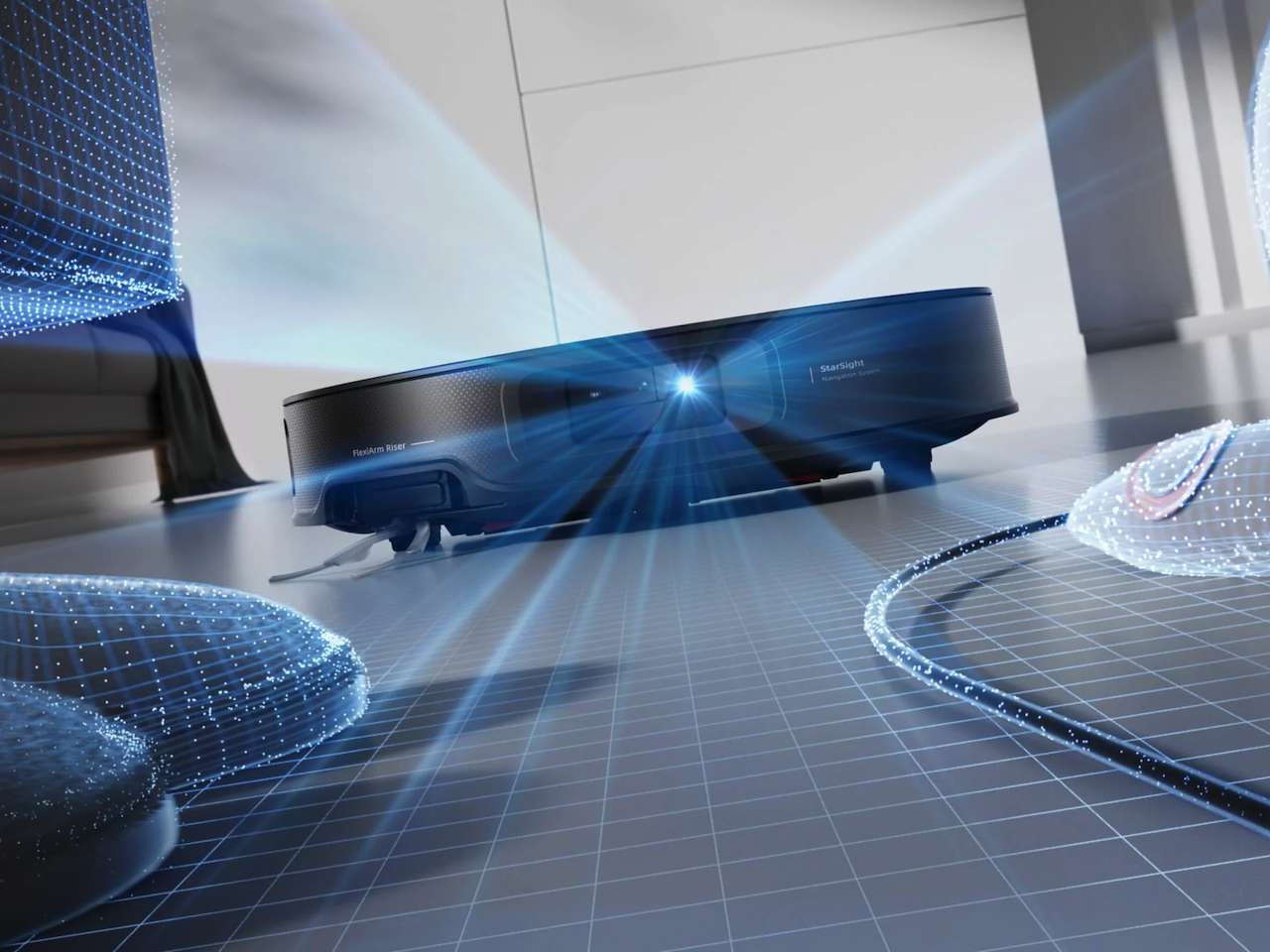
The short answer is that homes are going digital whether their owners planned for it or not. Broadband access keeps expanding, and with it comes the plumbing for connected devices to actually work. AI-enabled platforms and IoT sensors have pushed the category past basic voice commands into real automation, where your thermostat, locks, lights, and kitchen appliances talk to each other through a single interface. That’s a meaningful upgrade from the “smart speaker on the counter” era.
At the same time, retrofit installations are growing faster than new builds. You don’t need a brand new house to get started. Wireless plug-and-play devices and app-based setup have dropped the barrier low enough that upgrading an older home feels less like a renovation and more like buying a new router.
The result is a market that’s no longer driven by early adopters tinkering in their garages. Your parents might have a smart thermostat. Your neighbor probably has a video doorbell. The person reading this might be doing so with three smart speakers within earshot.
Entertainment runs the show
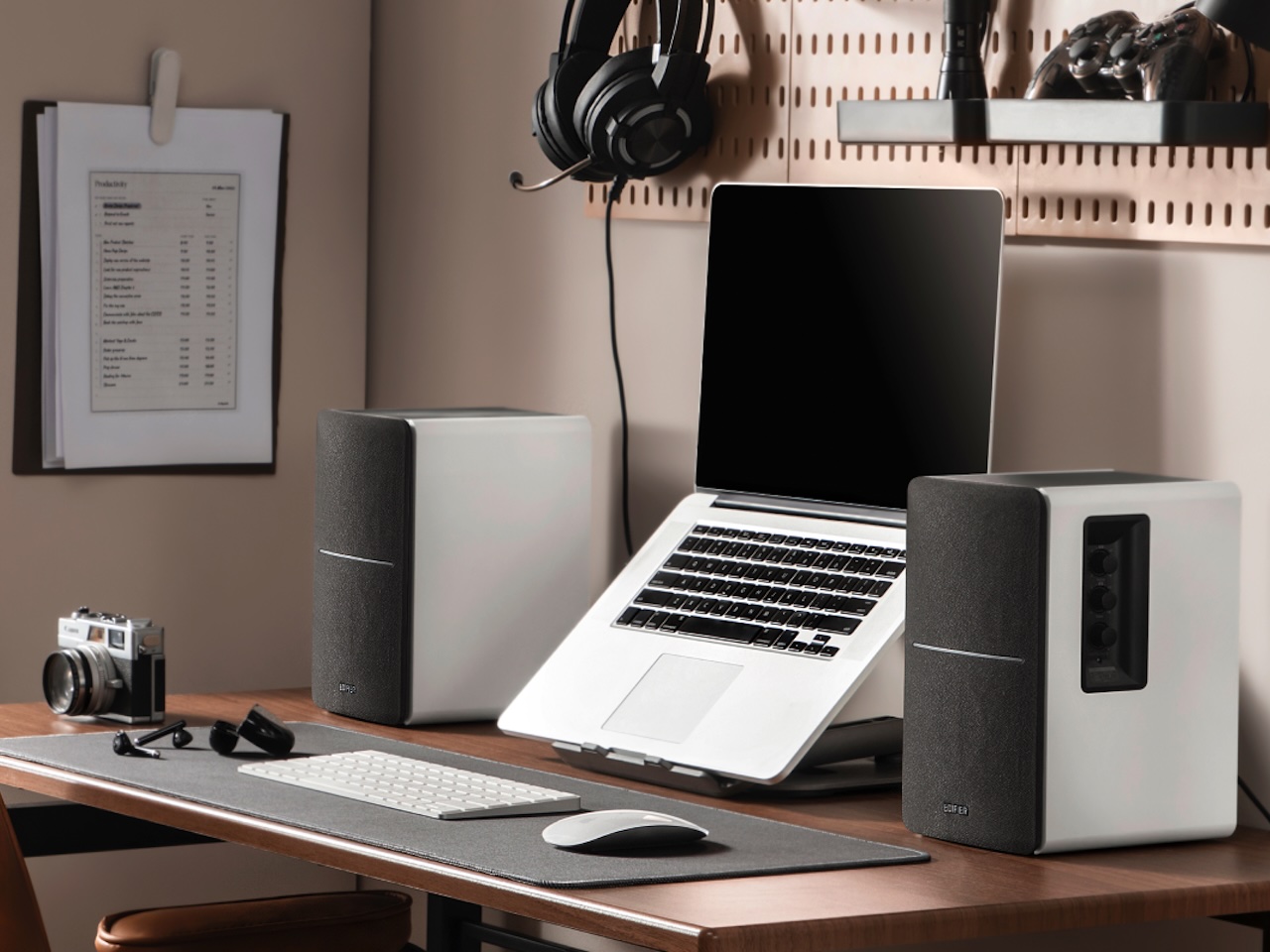
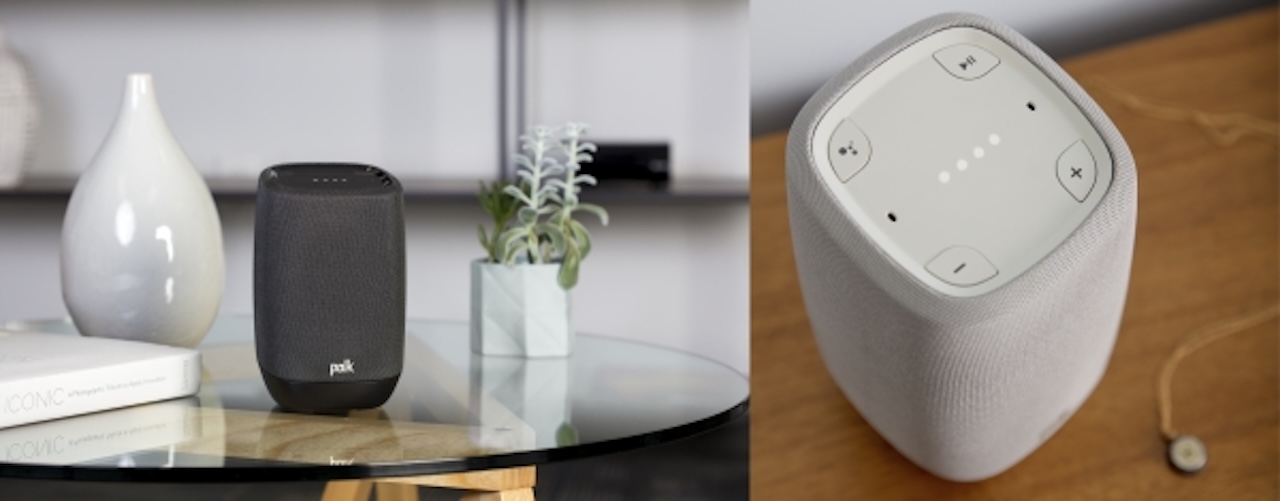
If you had to guess which category is pulling the most weight in the smart home space, you’d probably say security cameras or smart locks. Reasonable guess, but wrong. Entertainment and media controls are the biggest driver right now. Think about it: sound bars that respond to voice commands, multi-room audio systems you can control from your phone, and home theater setups that adjust themselves based on what you’re watching. Smart speakers, streaming devices, and integrated control platforms form the backbone of that category, and voice-enabled control has made managing it all feel effortless.
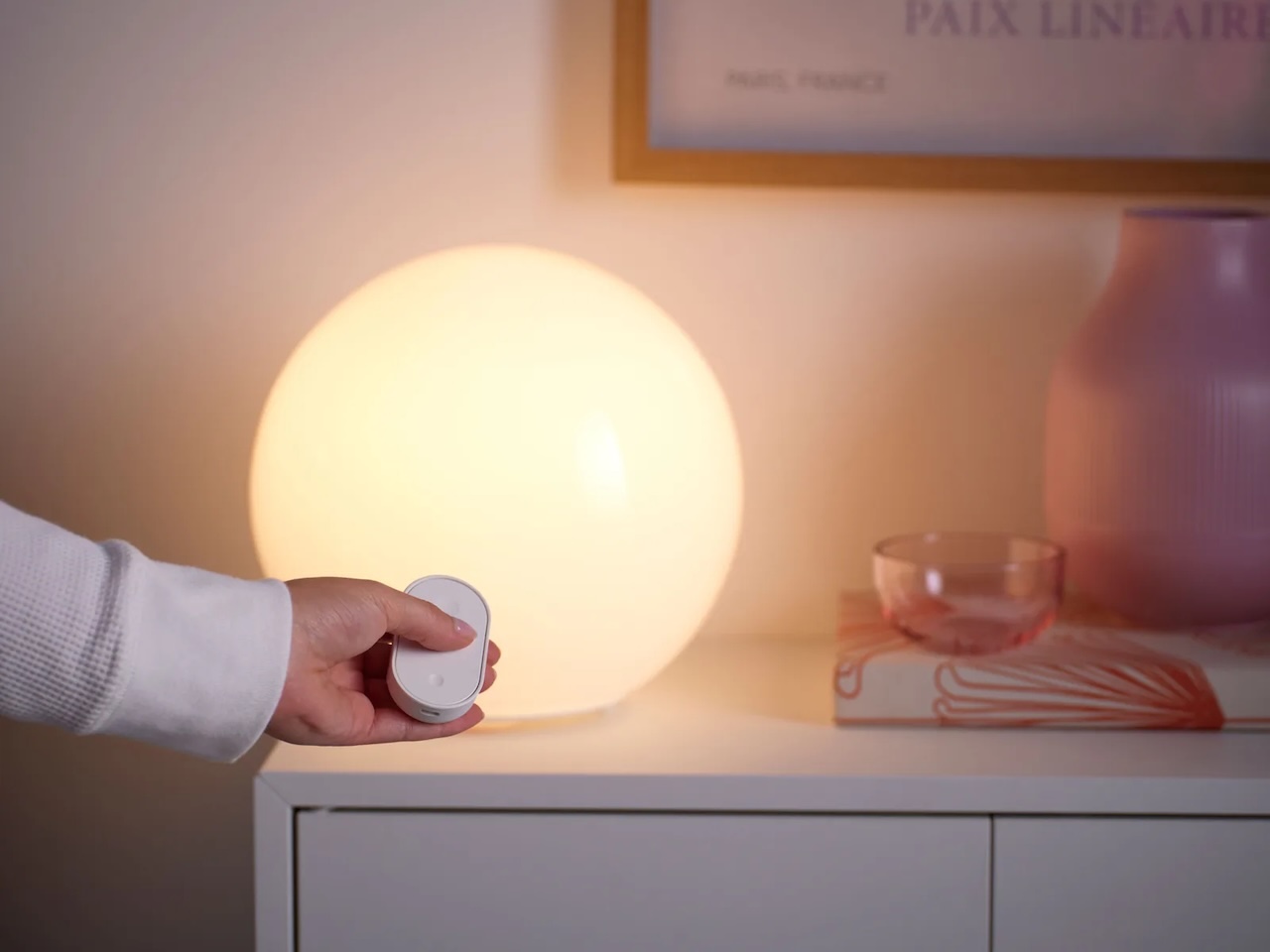
That said, the “other controls” bucket is growing fast too. Smart plugs, smart hubs, and smart locks are quietly becoming standard equipment in new homes. You don’t hear people brag about their smart lock at dinner parties, but it’s there, doing its thing.
Your house is learning to predict you
Here’s where it gets interesting. The report splits smart home software into two categories: behavioral and proactive. Behavioral software waits for you to tell it what to do. “Hey, turn off the lights.” Proactive software tries to figure out what you need before you ask. Instead of reacting to commands, it anticipates patterns and adjusts on its own, whether that means tweaking the thermostat based on your schedule or dimming the lights when it senses you’ve stopped moving.
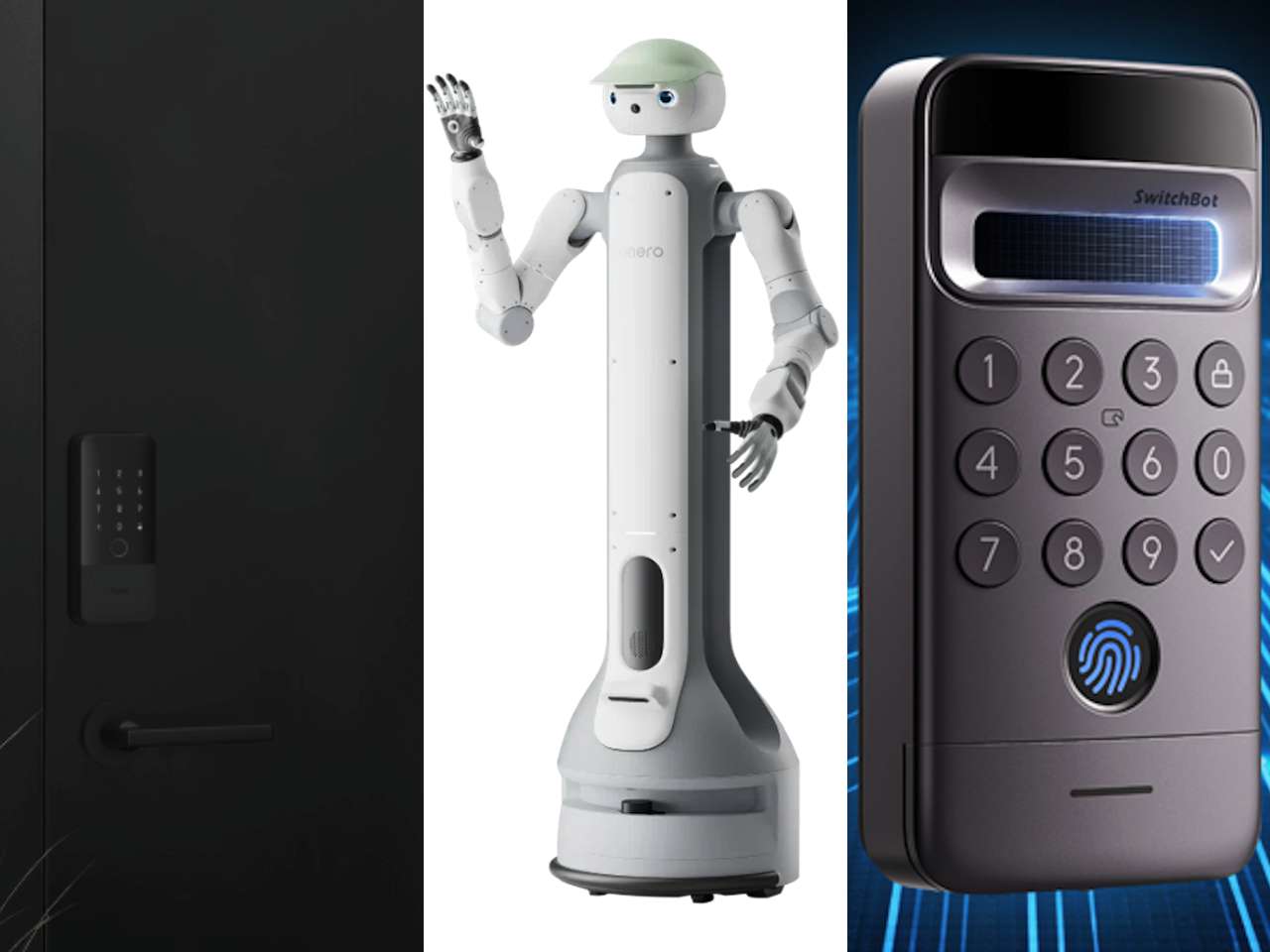
It sounds like a sci-fi premise from 2005, but it’s happening now. And it’s one of the biggest growth areas in the smart home industry because it shifts the value proposition from convenience to anticipation. You’re not saving three seconds by yelling at a speaker. You’re living in a house that adapts to you. That’s a meaningful difference, even if the execution is still a little clumsy.
Asia Pacific is the second-largest market, and it’s gaining fast
North America still leads the smart home market by spending, but Asia Pacific already claimed the second-largest share in 2025. That’s not a consolation prize. Countries like Japan and South Korea have been early movers in connected home tech for years, and China and India are now accelerating hard. Rapid urbanization, a growing middle class, expanding smartphone and broadband access, and government-backed smart housing projects all feed into the momentum.
If you want to understand where smart home tech will look five years from now, watch what ships in Seoul and Tokyo first. Those markets tend to be about two years ahead of what lands in the average American household. And with the region’s consumer base still scaling up, the gap between second and first place could shrink faster than most forecasts suggest.
The big names behind the curtain
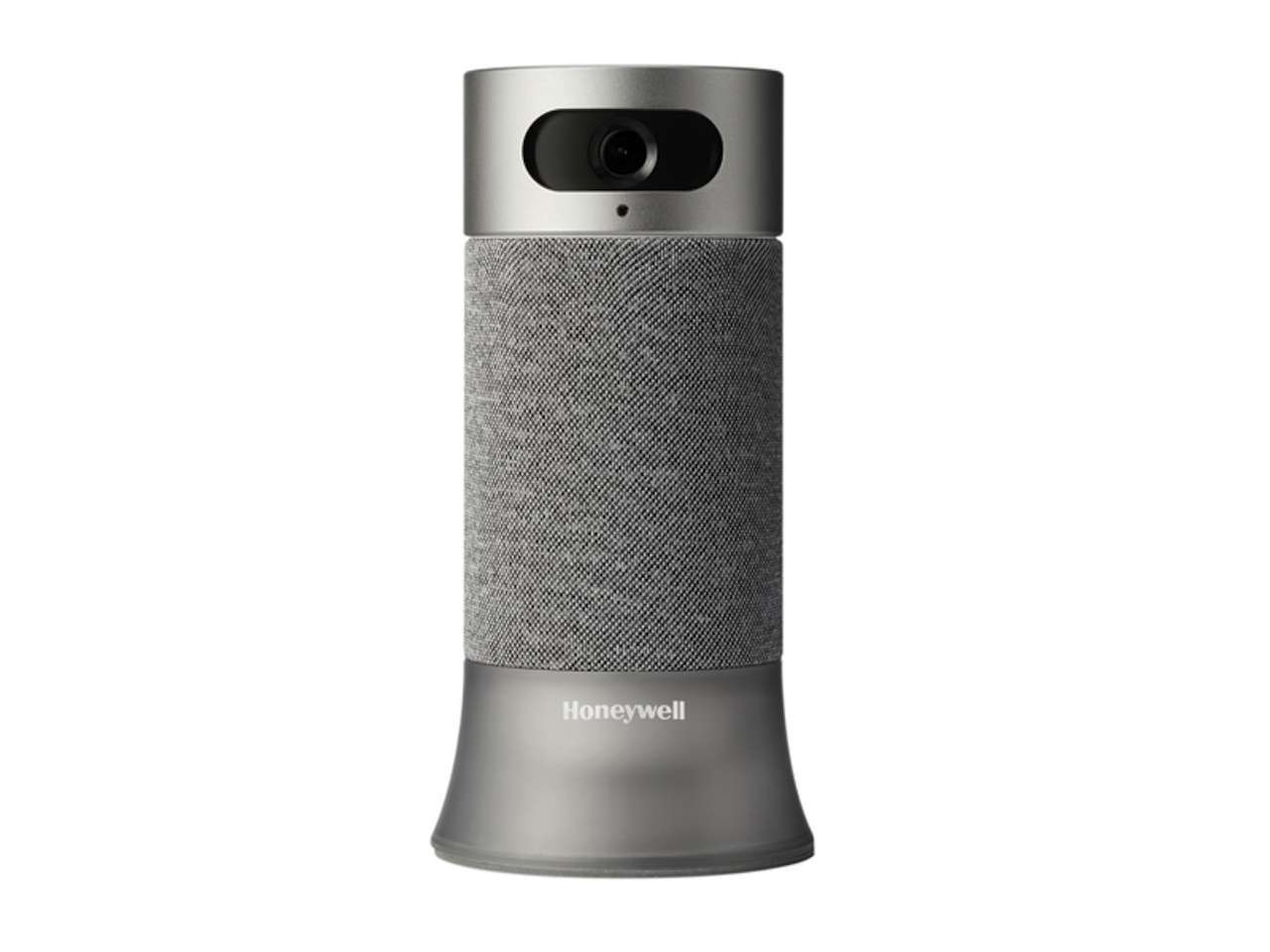
The companies shaping this market split into two camps, and both matter. On the infrastructure side, Honeywell, Siemens, Johnson Controls, Schneider Electric, and ASSA ABLOY build the thermostats, access control systems, HVAC platforms, and security hardware that form the backbone of a connected home. These aren’t flashy brands, but they’re the ones wiring the actual systems behind the walls.
Then there’s the consumer-facing side. Amazon and Apple now sit on the same major player list, according to the report, alongside ADT, Robert Bosch, and ABB. That mix tells you something about where the market is headed: it’s not enough to make the hardware or the voice assistant anymore. The companies winning are the ones connecting both layers into something that feels like a single product to the person living in the house.
What this means for you
If you’ve been on the fence about smart home tech, the next few years will make it harder to avoid. Prices are dropping, the software is getting smarter, and the devices are becoming less about novelty and more about practical daily value.
You don’t need to turn your house into a spaceship. But a smart thermostat that trims your energy bill or a doorbell camera that lets you check on deliveries from work? That’s not a luxury anymore. It’s becoming the baseline.
The $139.24 billion question isn’t whether smart homes are the future. It’s whether your home is going to be one of them.
Love our content?
Sign up for our newsletter today.
No ads, no spam, just links to our latest articles!