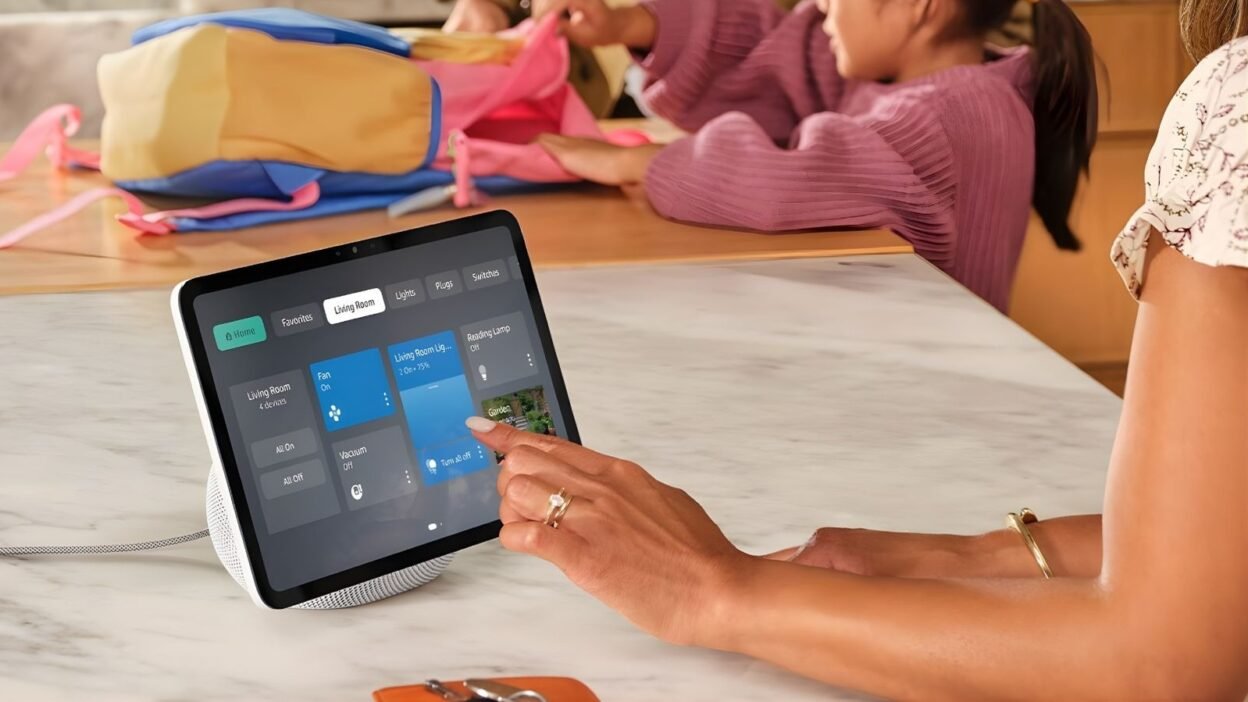
All smart speakers nail the basics like timers, weather forecasts, music, and voice commands, but the differences show up once a real setup starts to form across multiple rooms. Amazon Alexa and Google Home are similar, but vastly different, and long-term testing has highlighted how the two platforms can feel “similar, yet vastly different”. Echo devices tend to shine for smart home connections and utility features, with Alexa often outperforming Google Home when it comes to practical hardware perks and day-to-day control in the Alexa app. Users can even control their Alexa devices from an internet browser now.
It comes down to quality-of-life improvements: fewer compatibility headaches, more capable routines, and plug-and-play features tied into Amazon services without extra steps. Google is not the wrong choice, especially if YouTube access and Chromecast support are part of everyday life. This isn’t about which assistant is “smarter,” it’s about Alexa features that reduce friction, automate tasks, and unlock perks not found on Google Nest and Home devices. The biggest gains show up when you are running smart home devices from multiple brands, like lights, plugs, sensors, and cameras. Consistent room-by-room audio without fiddling with settings every day is also a key feature to have.
Most importantly, it helps to know which assistant fits a user’s home before you start buying devices and building a network. Smart tech adds up quickly, and reliability matters, so choosing the right ecosystem early can save time, money, and frustration later.
Alexa supports more smart home devices and brands
Nobody wants to waste time with compatibility headaches when setting up and maintaining a smart home network. Alexa is consistently described as having better smart home compatibility than Google Home. There’s also a scale advantage that shows up in the numbers: Alexa is cited as working with over 100,000 smart home devices, compared to Google’s estimate of 50,000. There are also plenty of hidden features for Alexa products.
Long story short: that typically means more choice and fewer incompatibility issues. When shopping for smart home products, there’s a better chance that a smart lock, plug, or niche sensor will work cleanly with Alexa. It’s still worth being cautious with vague packaging claims like “works with voice assistants” and checking the compatibility details first, though.
That freedom matters when you expand to more rooms, because it means shopping can be based on features, price, and reviews, rather than brand-matching everything. Ecosystems also reward their own hardware. For example, Ring devices generally work better with Echo than with Google’s speakers, while Nest devices tend to behave best within Google’s setup, and that difference is specifically called out in hands-on testing. If a smart home network is going to mix brands, Alexa’s wider compatibility is a genuine advantage.
Alexa routines are more flexible and reactive
Routines are where a voice assistant becomes a “smart home brain,” chaining triggers and actions together. Alexa is often treated as the leader here, being best for smart home routines because it can react to conditions in ways Google’s routines generally can’t.
This can be seen when building routines in the Alexa app, where “when this happens” triggers can include devices, schedules, alarms, and location triggers. That flexibility makes it easier to automate everyday life, like turning on living room lights when arriving home or adjusting the thermostat when leaving. Alexa can also be set up to play a sound or speak a message when a sensor trips, which can be useful, and yes, can also be used for harmless pranks if your household is that way inclined.
Alexa can also do things like announce when a sensor triggers, such as a door being open, which Google Assistant cannot do. Combined with broader third-party compatibility, it is easy to see why Alexa comes out as the better and more convenient option for routines, especially when wanting something more capable than a talking clock. However, we can confirm both ecosystems make for a fantastic array of talking clocks, incase anyone is interested.
Echo devices bake in useful hardware features
Alexa also has an edge in hardware, with newer Echo models adding features beyond voice control. One example is sensors: Echo devices like the Echo Dot can include a built-in temperature sensor that can be used as an automation trigger, which pairs nicely with thermostats, fans, and heaters. These features can also be controlled from your TV, thanks to Fire TV products like Fire TV Sticks, too.
Some Echo models also function as smart home hubs, including devices with built-in Zigbee hubs. Instead of having multiple bridges for smart bulbs, plugs, lamps, and more, users can just use the built-in bridge with Amazon Echo. Streamlining smart home setup and integrating into everyday life like this is what smart home functionality is all about.
Surprisingly, networking is a feature on newer models also. Certain Echo devices can integrate with Eero routers to act as Wi-Fi extenders, which can be genuinely useful in larger homes since you are likely placing speakers around the house anyway. This does not magically solve every coverage issue, but it can help strengthen the signal in weak spots without adding another box to your setup. Put together, these hardware features make Echo devices feel more multi-purpose: voice assistant, automation trigger, and, in some setups, part of the home’s connectivity and hub strategy.
Amazon shopping integration
Google can help with shopping, but Alexa acts like a hands-free shopping assistant tied directly to a user’s Amazon account. Echo devices support voice-activated Amazon shopping, including ordering items, getting order updates, and managing subscriptions. This is an area where Google Home and Nest fall behind. While you can search Amazon products using Google, you can’t buy items or get Amazon purchase notifications through Nest speakers in the same way.
This is not a make-or-break feature for everyone, but it fits neatly into daily life. For example, if a user is cooking and realizes they’re running low on baking paper or need batteries for a remote, they can ask Alexa and keep moving. Order notifications are also part of the appeal, with support for updates like when an order has shipped, is out for delivery, or has been delivered.
This is an ecosystem advantage, not just a gimmick. Google doesn’t have an Amazon-sized storefront wired into Google Home and Nest, so it can’t offer the same kind of end-to-end seamless Amazon shopping experience. For people who already depend on Amazon shopping, Alexa’s built-in tools are a welcome bonus and slide into everyday life for the most part.
A stronger speaker lineup and music selection
While YouTube Music is a fantastic music solution inside Google’s ecosystem, Alexa tends to offer broader flexibility across music services. Alexa plays music from more services, which matters in households where different people use different subscriptions. From Amazon Music to Apple Music, SiriusXM, and more, there’s more flexibility inside the Amazon camp.
The wider choice of hardware helps, too. Amazon sells a wider range of speaker options than Google, which makes it easier to match devices to rooms and budgets. Echo has a clear ladder, from affordable Echo Dots up to premium models. Echo devices like the Echo Show 8, Echo Show 11, and Echo Studio include spatial audio processing, which can make music feel more immersive around the home.
Even budget Echo models can sound surprisingly good for their size, with Nest Mini also being a good quality with a compact design, but its overall sound quality falls flat when compared to the Echo Dot. That is not to say Google’s devices aren’t quality products, because they are. But if you want flexible service support, more product variety, and a straightforward path to better audio over time, Alexa is a solid choice.