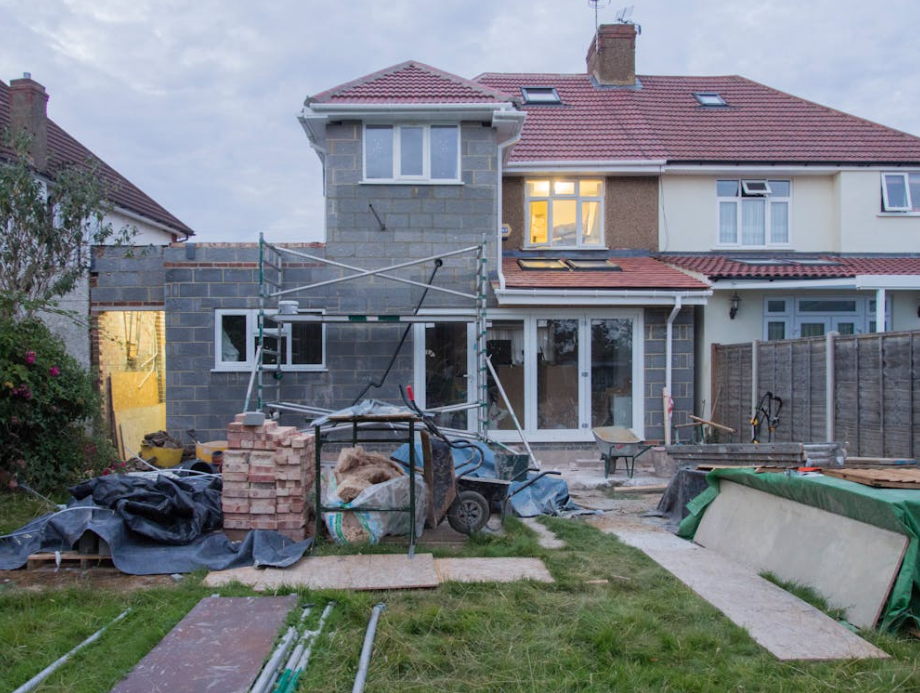
Every house along the coastal plains carries a quieter story. Patched roofs, rattling windows, and heating systems pushed harder each winter. Home renovation has shifted from improvement to endurance.
A National Association of Home Builders report notes that, across the US, homeowners now prioritize durability and operating costs over appearance. This matters more in storm-exposed regions where resilience makes practical sense.
Bad weather doesn’t wait, but a proactive mindset can be a savior. Here are a few smart renovations that serve as practical defense.
Roofing Repair Gives a Head Start
Roofing integrity should be a priority. Stone-coated steel roof repair enters the picture, even for homes with this resilient roof type. Stone-coated steel roofing uses a steel core with a bonded stone surface. The material resists impact better than traditional shingles and doesn’t deteriorate the same way over time.
Research from the Insurance Institute for Business & Home Safety says that impact-resistant roofing systems reduce storm-related damage. This is in particular for heavy hail and high-wind events. Fewer failures tend to mean fewer emergency repairs after storms.
Restoration Contractors advises on long-term roofing performance. Their experts say that, when installed correctly, stone-coated steel roofing also helps regulate heat. It matters during long summer stretches when cooling costs climb and never quite settle back down.
Insulation Solves Problems People Struggle to Name
Most insulation issues don’t look like issues.
They feel like rooms that never get comfortable. Bills that spike without explanation. HVAC systems that seem tired before their time.
The Department of Energy continues to point out that heating and cooling account for nearly half of residential energy use. In older coastal homes, air loss through attics and ductwork quietly adds to that burden.
Once insulation improves and leaks get sealed, houses behave differently. Temperatures stop swinging so wildly. Systems run less often. Comfort improves without anyone having to touch the thermostat.
Windows Take a Beating by the Water
Windows near the coast live hard lives.
Moisture lingers. Wind pressure builds. Seasonal swings test seals year after year. Older windows often let drafts and condensation creep in, even when they appear fine at a glance.
Energy Star data showed that replacing inefficient windows can reduce annual energy costs up to 13%, depending on the climate. In coastal regions, the bigger benefit often comes from moisture control. Less condensation. Less long-term damage around frames.
The difference shows up during storms. And then quietly, every other day.
Flooring Eventually Tells the Truth
Flooring hides its weaknesses at first.
Then the humidity sets in. Or a small leak. Or years of foot traffic. Cheap materials swell, stain, or give up entirely. Replacement arrives sooner than expected.
More resilient options like vinyl plank, engineered hardwood, and tile hold up better under coastal conditions, especially in ground-level spaces, where damp air never fully leaves. These floors don’t announce themselves. They just keep doing their job.
Smart Tech That Earns Its Place
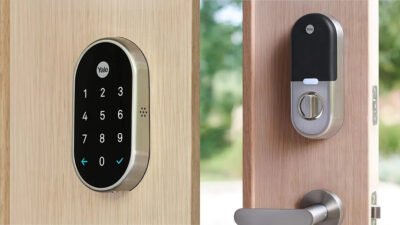
Some smart home tech feels unnecessary. Other pieces feel like insurance.
- Smart thermostats reduce wasted heating and cooling.
- Leak detectors that catch problems early during heavy rain.
The U.S. Department of Energy has reported energy savings of around 10% from smart thermostat use. That kind of reduction matters when weather patterns swing hard from season to season.
Exterior Details Decide More Than They Get Credit For
Garage doors. Entry doors. Drainage paths.
These rarely headline renovation plans. They still decide how well a home handles stress. Impact-rated doors reduce wind vulnerability. Proper drainage keeps water away from foundations, where problems tend to multiply quietly.
In coastal areas, small exterior failures rarely stay small.
What is the Definition of “Smart Renovation”?
Smart renovation doesn’t look impressive anymore. It looks cautious. Measured.
Homeowners are paying closer attention to what breaks first and costs the most to fix. Roofs. Insulation. Windows. Exterior systems. The upgrades that reduce repeat repairs tend to win.
That shift reflects reality. Storms don’t care about style. Houses that hold up better cost less to live in. Over time, resilience stops sounding like a buzzword and starts feeling like relief.