
Highlights
- Smart-home devices remain vulnerable due to weak defaults, long lifecycles, and poor update policies.
- Cameras and voice assistants raise privacy risks when cloud accounts or configurations are compromised.
- Fragmented ecosystems and unsupported devices create long-term security blind spots.
- Strong network hygiene and basic user practices significantly reduce connected-home risks.
The connected home was once a novelty. In 2025, IoT security is standard. Bright lights turn on before you reach the door, speakers answer questions mid-conversation, cameras watch over pets and packages, and appliances quietly optimise energy use in the background. What began as convenience has become infrastructure. Yet as our homes grow smarter, a fundamental question persists: how safe is all this connectivity?
IoT (Internet of Things) security has improved over the years, but vulnerabilities remain deeply woven into the smart-home ecosystem. This feature article examines where connected homes are most exposed today and outlines practical, human-centred strategies to reduce risk without turning everyday life into a cybersecurity exercise.
Why smart homes are uniquely vulnerable
Unlike laptops or smartphones, smart-home devices are often designed to be invisible. They sit quietly on walls, ceilings, and shelves, running for years with minimal user interaction. That invisibility is precisely the problem.
Most IoT devices are built with low-cost hardware, limited processing power, and extended replacement cycles. Security updates are irregular, user interfaces are minimal, and many devices are configured once and forgotten. In effect, they become permanent residents on your home network: trusted, unattended, and often poorly defended. A compromised laptop is inconvenient. A compromised smart home can be unsettling.

The weakest link: cheap devices and default settings
In 2025, the most significant security risk in connected homes is still entry-level smart devices. Budget smart bulbs, plugs, cameras, and switches often ship with weak default credentials, outdated firmware, or minimal encryption.
Many users never change default passwords or disable unnecessary features. Some devices still rely on companion apps that request excessive permissions, creating privacy risks even if the device itself is not hacked. Once compromised, these devices can act as gateways into the broader home network.
This is not a theoretical concern. IoT botnets continue to exploit poorly secured devices, using them for distributed attacks or silent surveillance.
Cameras, microphones, and the intimacy problem
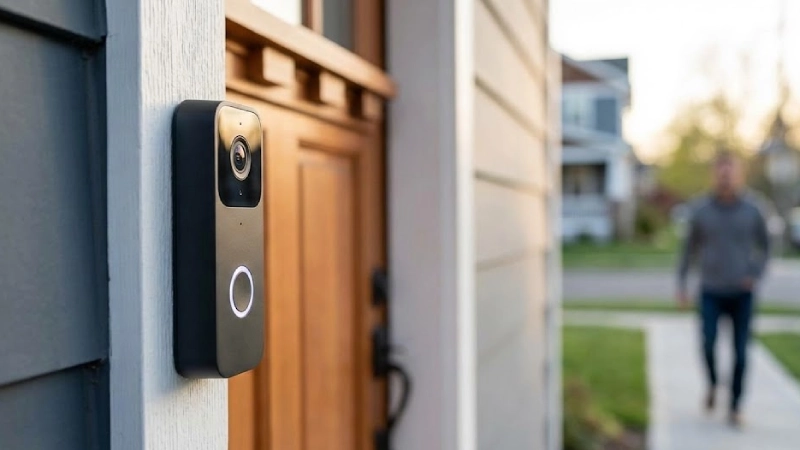
Smart cameras and voice assistants raise stakes far beyond data theft. They operate in private spaces such as bedrooms, living rooms, and children’s rooms. Insecure configuration or poor cloud security can turn convenience into intrusion.

Major ecosystems such as Amazon’s Alexa, Google Nest, and Apple HomeKit have invested heavily in encryption and user controls. Yet breaches and misconfigurations still occur, often due to weak account passwords or phishing rather than device flaws themselves. The lesson is clear: even well-designed platforms cannot compensate for weak user security practices.
Fragmentation: too many apps, too little oversight
One of the defining features of the smart-home market is fragmentation. A single household may use devices from a dozen brands, each with its own app, cloud backend, and update policy. This creates blind spots.
Users struggle to track which devices are up to date, which still receive security patches, and which have quietly been abandoned by manufacturers. Some companies exit the market entirely, leaving devices running unsupported software indefinitely.

In 2025, interoperability standards have improved, but security accountability remains uneven across vendors.
Network: The real Battlefield
Most smart-home compromises do not begin with exotic exploits. They begin on the home Wi-Fi network. Many homes still rely on basic router configurations, shared passwords, and outdated firmware. When an attacker gains access to the network through a weak password, a compromised phone, or a malicious guest device, IoT devices often provide little resistance.
Once inside, attackers can scan for vulnerable endpoints, intercept unencrypted traffic, or move laterally toward more valuable targets such as personal computers or network-attached storage. In this sense, IoT security is inseparable from home network security.
What manufacturers are doing better in 2025
It would be unfair to say nothing has improved. Compared to a decade ago, IoT security in 2025 shows real progress. Many reputable brands now require password changes during setup, use encrypted communication by default, and offer automatic over-the-air updates. Ecosystems like Apple’s HomeKit emphasise local processing and strict device certification, reducing exposure to cloud breaches.

There is also greater regulatory pressure in several regions for minimum security standards, including disclosure requirements and update obligations. These measures are beginning to shift incentives away from “ship fast, patch later” models. Still, improvements are uneven, and consumers must remain vigilant.
Practical protection strategies for smart-home users
Security does not require paranoia, but it does require intention. The following strategies offer meaningful protection without overwhelming users.
- Choose ecosystems carefully: Buying into a coherent ecosystem reduces fragmentation. Devices certified for platforms like HomeKit, Google Home, or Alexa tend to follow baseline security standards. Avoid obscure brands with unclear update policies, even if they are cheaper.
- Segment your network: Modern routers often support guest networks or VLANs. Placing IoT devices on a separate network from laptops and phones limits damage if a device is compromised. This is one of the most effective defences available to home users.
- Secure the router first: Use a strong, unique Wi-Fi password, enable WPA3 when available, and keep the router firmware updated. Consider routers with built-in security monitoring that alert you to unusual device behaviour.
- Enable automatic updates: If a device offers automatic firmware updates, turn them on. If it does not, treat that as a warning sign. Unsupported devices should eventually be replaced, not trusted indefinitely.
- Lock down accounts: Smart-home security often hinges on cloud accounts. Use strong, unique passwords and enable two-factor authentication wherever possible. Many “device hacks” actually begin with account compromise.
- Be selective with permissions: Voice assistants and companion apps often request broad access. Review permissions periodically and disable unused features, such as remote access or continuous recording.
The human factor: awareness without anxiety
It is easy to frame IoT security as a constant threat. But the goal is not to live in fear of your own light bulbs. It is essential to understand that convenience and security must evolve together.
Smart homes are deeply personal spaces. Security failures feel more invasive than a leaked email or a hacked social account. That emotional dimension matters, and should shape how products are designed and marketed.
Manufacturers who prioritise transparency, long-term support, and user education will earn trust. Users who take basic precautions will dramatically reduce their risk.
Looking ahead: the future of connected-home security
By the late 2020s, smart home security is likely to become increasingly automated. AI-driven anomaly detection, standardised device identity frameworks, and stronger regulations could reduce many current risks.

But technology alone will not solve the problem. The connected home is a shared responsibility between manufacturers, platform providers, regulators, and users.
Conclusion
In 2025, the connected home is neither a ticking time bomb nor a fortress. It is something in between, reasonably safe if treated with care, or surprisingly fragile if ignored.
The good news is that meaningful protection does not require technical expertise. Thoughtful purchasing, basic network hygiene, and regular check-ins with your devices go a long way. As our homes continue to absorb technology, security must become part of domestic common sense, which is quiet, habitual, and human. A smart home should make life easier, not more anxious. With informed choices, it still can.