1. Are smart TVs becoming home hubs?
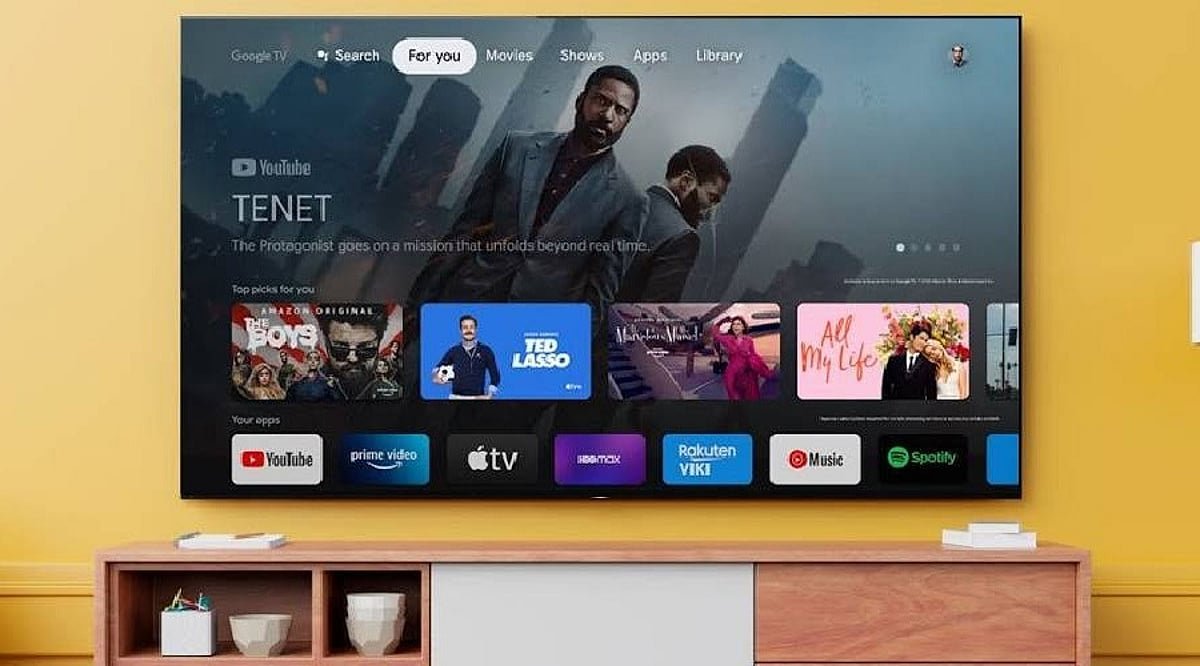
Yes. Many newer smart TVs can connect with and control compatible smart-home devices, allowing users to manage lighting, cameras, appliances, thermostats, and other devices from the television.
2. What role does Matter play in smart TVs?
Matter provides a common standard that helps compatible smart-home devices work across different ecosystems. TVs that support Matter can function as smart-home controllers, while some models also include the networking hardware needed for Thread devices.
3. Can a smart TV control security cameras and doorbells?
Compatible smart TVs can display feeds from supported security cameras and doorbells. This allows users to monitor parts of their home without switching to a smartphone or separate security display.
4. How could AI change smart TV home control?
AI could move smart TVs beyond individual commands toward intent-based automation. Instead of controlling devices separately, users could make requests such as preparing the home for movie night or bedtime, with compatible systems coordinating multiple devices.
5. Are smart TVs replacing dedicated smart-home hubs?
Not completely. Some televisions now include hub functionality, but dedicated hubs can still provide broader compatibility, redundancy, and smart-home management. The TV is increasingly becoming one of several central interfaces rather than automatically replacing every dedicated hub.