
This content is provided by a third party.
Smart technology is becoming part of daily life in Australia at a rapid pace. What was once considered futuristic is now common in many households, from app controlled lighting to robotic cleaning devices and connected kitchen appliances. New market data confirms that this shift is translating into strong commercial growth.
The latest industry figures show that Australia’s smart home market is valued at A$3.42 billion in 2025. The sector is expected to grow at a compound annual growth rate of 8.04 percent between 2026 and 2035, reaching approximately A$7.41 billion by 2035. These projections reflect steady consumer demand and a broader cultural shift toward digital convenience inside the home.
What’s driving Australia’s smart home market
The rise of Australia’s smart home market is largely driven by practical, everyday needs. Households are increasingly investing in technology that makes daily routines smoother and less time consuming. Smart lighting, temperature control, connected security systems, and intelligent kitchen appliances are now standard parts of modern Australian homes.
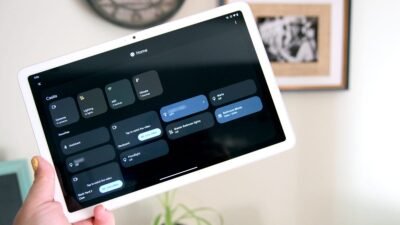
These devices, often managed via mobile apps or voice assistants, offer automated routines, energy tracking, and greater control, which are key reasons consumers are buying them.
Cleaning technology is one of the fastest growing segments within the category.
Robotic vacuum and mopping systems are increasingly common in busy households that want to save time without compromising cleanliness, even for homes with pets. Models like the DEEBOT X8 PRO are probably among the best choices for those looking for a convenient way to clean floors, especially for families or households with furry friends.
ECOVACS also offers other models that work well with pet hair, with anti-tangle brushes that help reduce hair wrap, smart mapping for more efficient coverage, and obstacle detection to move around bowls, toys, and other everyday items.
Simpler installation and more intuitive interfaces are also helping to broaden adoption, particularly among first-time smart technology buyers.
Stronger internet connectivity and greater familiarity with connected devices are helping to drive adoption across different age groups, from young professionals to older homeowners looking for practical, easy to use solutions.
Impact of smart home market growth on consumers and industry
Over the next three to five years, smart appliances are expected to become even more mainstream. Consumers are looking for products that deliver real value, especially in terms of convenience, automation, and time savings. Ease of use and compatibility between devices are increasingly important when making purchasing decisions.
For businesses operating in the sector, the steady growth outlook creates opportunities to refine product ecosystems and develop more integrated solutions. Companies that can offer reliable, secure, and user friendly systems are likely to stand out as the market continues to expand.
With projected growth continuing through 2035, Australia’s smart home market is positioned to remain a significant and evolving part of the country’s consumer technology landscape.
This is content submitted by a third party. It does not necessarily represent the views of the publisher of this website.

Voice of Real Australia
Get real, Australia! Let the ACM network’s editors and journalists bring you news and views from all over.