Smart Home Security Trends Every Homeowner Should Know
TL;DR
This article explores how smart home security is evolving across the United States and what homeowners should expect in modern protection systems. It explains emerging technologies, privacy concerns, AI driven surveillance, automation, and integrated safety solutions.
You will learn how smart security systems actually work in real homes, what trends are shaping buying decisions, and why traditional alarm systems are no longer enough.
By the end, you will understand which smart security innovations matter, how they improve home protection, and how to prepare your home for the future of connected security.
Introduction
A quiet neighborhood no longer guarantees peace of mind. Smart doorbells capture unfamiliar faces, motion alerts arrive instantly on phones, and homeowners now monitor their properties from miles away. Security expectations have shifted dramatically across the United States, and traditional alarm systems are struggling to keep pace.
Homeowners today are thinking differently about protection. It is no longer only about preventing break ins. Families want awareness, automation, remote monitoring, and predictive safety. The conversation has moved from locks and alarms to intelligent ecosystems that adapt to behavior and detect unusual activity.
Insurance companies are also influencing this shift. Many now offer incentives for smart security installations, while real estate listings increasingly highlight integrated security features. Buyers are paying attention, and smart security is becoming part of home value rather than just an optional upgrade.
This shift is shaping new trends in home security technology. Some focus on intelligence, some on privacy, and others on seamless automation. Together, these developments are redefining how homes are protected across the country.
AI Powered Home Surveillance Is Becoming the New Standard
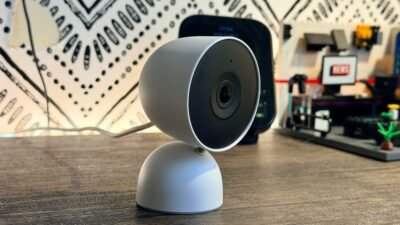
Artificial intelligence has changed how cameras operate inside residential security systems. Earlier generations recorded footage passively, forcing homeowners to review hours of video manually. Modern systems now interpret activity, classify events, and identify unusual behavior.
AI powered cameras can distinguish between people, animals, vehicles, and environmental movement. This reduces false alerts and increases trust in notifications. Homeowners receive alerts only when meaningful activity occurs, which improves response time and decision making.
This evolution also introduces behavioral learning. Smart systems observe patterns such as delivery times, family schedules, and frequent visitors. When something falls outside those patterns, alerts become more meaningful and actionable.
Another shift involves facial recognition. Some smart systems identify familiar individuals, allowing homeowners to customize responses. A known family member may trigger no alert, while an unfamiliar visitor prompts a notification. This level of contextual awareness reflects how smart security is moving toward predictive protection rather than reactive monitoring.
Predictive Threat Detection Is Gaining Attention
Predictive security represents a growing focus among manufacturers. Instead of waiting for incidents, systems analyze environmental signals and behavior patterns. For example, repeated motion near entry points during unusual hours may trigger early alerts.
This type of detection mirrors commercial security practices now entering residential spaces. Homeowners gain early warnings that allow them to take action before incidents escalate.
Predictive systems also combine multiple data sources. Motion sensors, cameras, lighting automation, and door sensors work together. When these signals align, systems recognize potential risks more accurately.
This layered intelligence reduces reliance on single sensor triggers. It creates a more sophisticated approach to home protection that reflects real world scenarios.
Smart Doorbells Are Expanding Beyond Video Monitoring
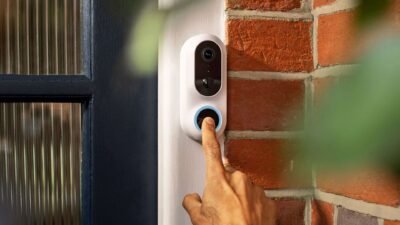
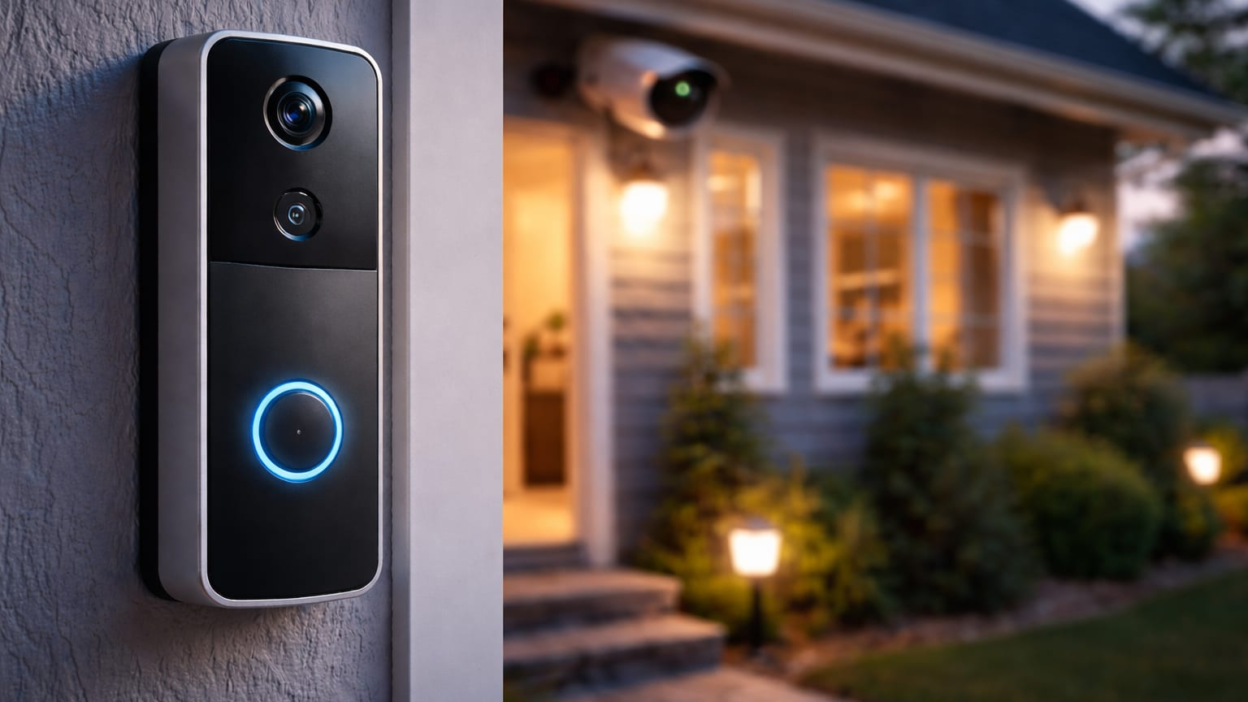
Video doorbells initially focused on remote viewing and two way communication. Current models integrate deeper intelligence, automation, and ecosystem connectivity.
Homeowners now use doorbells to manage deliveries, monitor neighborhood activity, and communicate remotely with visitors. This shift has transformed doorbells into security hubs rather than simple camera devices.
Many systems also integrate package detection. Alerts notify homeowners when deliveries arrive or when packages are moved. This addresses growing concerns around porch theft in suburban and urban neighborhoods.
Another development involves voice integration. Homeowners can respond through smart assistants, creating hands free communication. This feature improves accessibility and convenience while maintaining security awareness.
Neighborhood Awareness Features Are Expanding
Community based alerts are becoming part of smart doorbell ecosystems. Some platforms allow homeowners to share suspicious activity with nearby residents. This creates collaborative security awareness across neighborhoods.
Shared alerts help identify recurring activity patterns. Homeowners gain context about unfamiliar visitors or vehicles. This shared intelligence strengthens neighborhood security without requiring formal coordination.
Community based security reflects how home protection is becoming more connected and socially aware. Instead of isolated systems, neighborhoods now function as distributed security networks.
Smart Locks Are Redefining Access Control
Smart locks are shifting how homeowners manage entry points. Traditional keys are being replaced by digital credentials, mobile access, and temporary permissions.
Homeowners can grant temporary access to guests, cleaners, or contractors. Access windows can be limited to specific times, improving security and convenience. This removes the need for physical key exchanges.
Smart locks also integrate with automation. Doors can lock automatically after a specified period or when homeowners leave the property. This reduces human error and enhances consistent protection.
Another shift involves audit logs. Homeowners can track entry activity and verify who accessed the home. This transparency adds an additional layer of security awareness.
Biometric Access Is Entering Residential Security
Biometric access is gaining traction in residential smart locks. Fingerprint and facial recognition entry are appearing in premium home security setups.
Biometric systems reduce risks associated with lost keys or shared passcodes. Entry becomes personalized and controlled. This trend reflects broader adoption of biometric authentication in consumer technology.
Biometric locks also integrate with mobile apps. Homeowners receive alerts when authorized individuals enter, improving monitoring and peace of mind.
Integrated Smart Home Ecosystems Are Replacing Standalone Devices
Smart home security is moving away from isolated devices. Homeowners are increasingly adopting integrated ecosystems that connect cameras, sensors, locks, and automation.
Integration allows devices to communicate and respond collectively. For example, motion detection may trigger lighting, activate cameras, and send alerts simultaneously. This coordinated response improves deterrence and awareness.
Ecosystem integration also simplifies management. Homeowners control multiple devices through unified platforms. This reduces complexity and improves user experience.
Compatibility with smart assistants is also expanding. Voice commands allow homeowners to check status, arm systems, or view camera feeds. This seamless interaction improves accessibility and convenience.
Automation Is Enhancing Security Response
Automation is shaping how smart security operates. Systems can simulate occupancy by controlling lights, blinds, and audio devices. This creates the appearance of activity even when homes are vacant.
Automated responses also include emergency triggers. Smoke detectors, water sensors, and intrusion alerts can activate cameras and send notifications simultaneously.
This interconnected automation improves overall safety. Security expands beyond intrusion prevention to include environmental monitoring and emergency awareness.
Privacy Focused Security Systems Are Gaining Demand
As smart security grows, privacy concerns are becoming more prominent. Homeowners are increasingly evaluating how data is stored and accessed.
Manufacturers are responding by offering local storage options and encrypted video feeds. These features reduce reliance on cloud storage and improve data control.
Privacy settings are also becoming more customizable. Homeowners can disable indoor cameras when present or restrict access to specific users. These options reflect growing awareness around digital privacy.
Privacy centered security systems are gaining trust among homeowners who value both safety and data protection.
Edge Processing Is Transforming Privacy
Edge processing allows cameras to analyze data locally rather than sending footage to remote servers. This reduces latency and improves privacy.
Local processing also improves performance during internet outages. Security systems continue operating without cloud dependency.
Edge processing represents a shift toward decentralized smart security. Homeowners gain faster alerts and improved privacy simultaneously.
Environmental Monitoring Is Becoming Part of Smart Security
Smart security now extends beyond intrusion detection. Environmental monitoring is becoming standard in modern systems.
Sensors detect smoke, carbon monoxide, water leaks, and temperature changes. These alerts help prevent damage and improve household safety.
Water leak sensors are gaining attention in regions prone to plumbing failures. Early detection helps homeowners respond before damage escalates.
Environmental monitoring reflects a broader definition of home security. Protection now includes safety from both human and environmental risks.
Wireless Security Systems Are Dominating Installations
Wireless smart security systems are becoming more popular across the United States. These systems simplify installation and reduce infrastructure requirements.
Homeowners can install devices without professional wiring. This flexibility supports renters and homeowners alike.
Wireless systems also allow easier expansion. Additional cameras or sensors can be added without major modifications.
Battery powered devices now offer improved longevity and reliability. This advancement supports wider adoption of wireless security solutions.
FAQs
Are smart home security systems worth installing for homeowners in the USA?
Smart security systems provide awareness, automation, and monitoring capabilities that traditional alarms cannot offer. Homeowners gain remote visibility and predictive alerts, improving response time and overall protection.
Do smart security cameras work without the internet?
Some modern systems continue recording locally during outages. Edge processing allows alerts and detection to function even without cloud connectivity, depending on system capabilities.
Are smart locks safe for residential homes?
Smart locks use encryption and authentication technologies. Biometric and temporary access features improve control and reduce risks associated with traditional keys.
Do smart security systems increase home value?
Smart security features are becoming attractive to buyers. Integrated security systems are increasingly highlighted in real estate listings.
Is professional monitoring necessary for smart security?
Some homeowners prefer self monitoring through mobile apps. Others choose professional monitoring for emergency response services. Both options depend on individual preferences.
How much does smart home security typically cost in the USA?
Costs vary depending on system complexity, monitoring services, and number of devices. Entry level systems are accessible, while integrated setups require larger investment.
Wrap Up
Smart home security is shifting from passive monitoring to intelligent awareness. Homeowners across the United States are embracing AI powered surveillance, integrated ecosystems, and predictive protection. These trends reflect changing expectations around safety, convenience, and privacy.
Security systems are no longer isolated devices. They are evolving into connected environments that respond dynamically to activity and risks. This transformation is shaping how homes are protected and how homeowners interact with their security systems.
Homes equipped with intelligent security are becoming more resilient, adaptable, and aware. As technology continues to evolve, smart home security will increasingly become a standard component of modern residential living.